
Children’s hospital in Wuse 2, Abuja
When It’s Your Child, Choose a Children’s Hospital.
Limi Children’s Hospital cares only for babies, children and teenagers. Everyday illness, newborn intensive care, surgery and more than 30 specialties, all under one roof in Wuse 2, Abuja, open day and night. The team explains every step to you in plain words.
- Only babies, children and teenagers
- Open day and night
- More than 30 specialties
Start Here What Is Worrying You Right Now?
- A fever
- Fast or noisy breathing
- A newborn who is not right
- Vomiting or diarrhoea
- A fall or head bump
- Swallowed something
- Not talking yet
- A heart murmur
Is It an Emergency?
A child who is struggling to breathe, will not wake properly, is having a fit, or has turned blue or very pale needs to come to Limi Children's Hospital now, day or night. Do not wait for a reply or an appointment. If you cannot get here quickly, go to the nearest emergency department. Call 0813 408 5400 on the way so the team can prepare.
Featured Pregnancy and Newborn Service
Non-Invasive Prenatal Testing (NIPT) in Abuja
A simple maternal blood screening test can provide more information about the chance of certain chromosomal conditions. Our team helps you understand what the test can—and cannot—tell you and what any result may mean for your next step.
- Maternal blood screening
- Clear pre-test guidance
- Screening, not diagnosis
What Do You Need Right Now?
Part of The Limi Hospitals, caring for families since 1982: The Limi Hospital · CardioCare Multispecialty Hospital
Levels of care
From an Everyday Visit to Intensive Care, Under One Roof
Every level of care is in one hospital. The team that sees your child in clinic brings in the surgeon, the heart specialist or intensive care without sending you across Abuja.
Newborn Care and the NICU
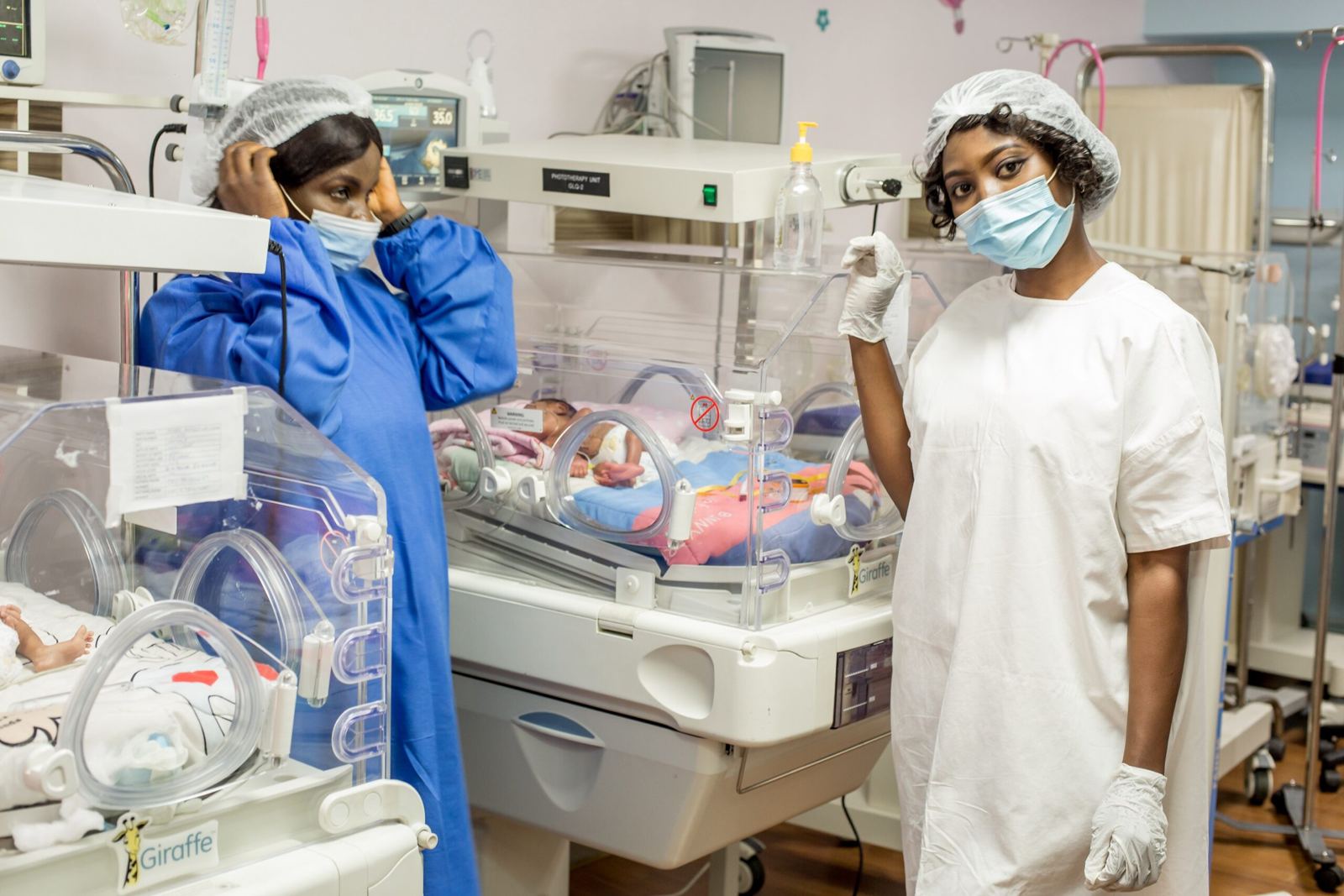
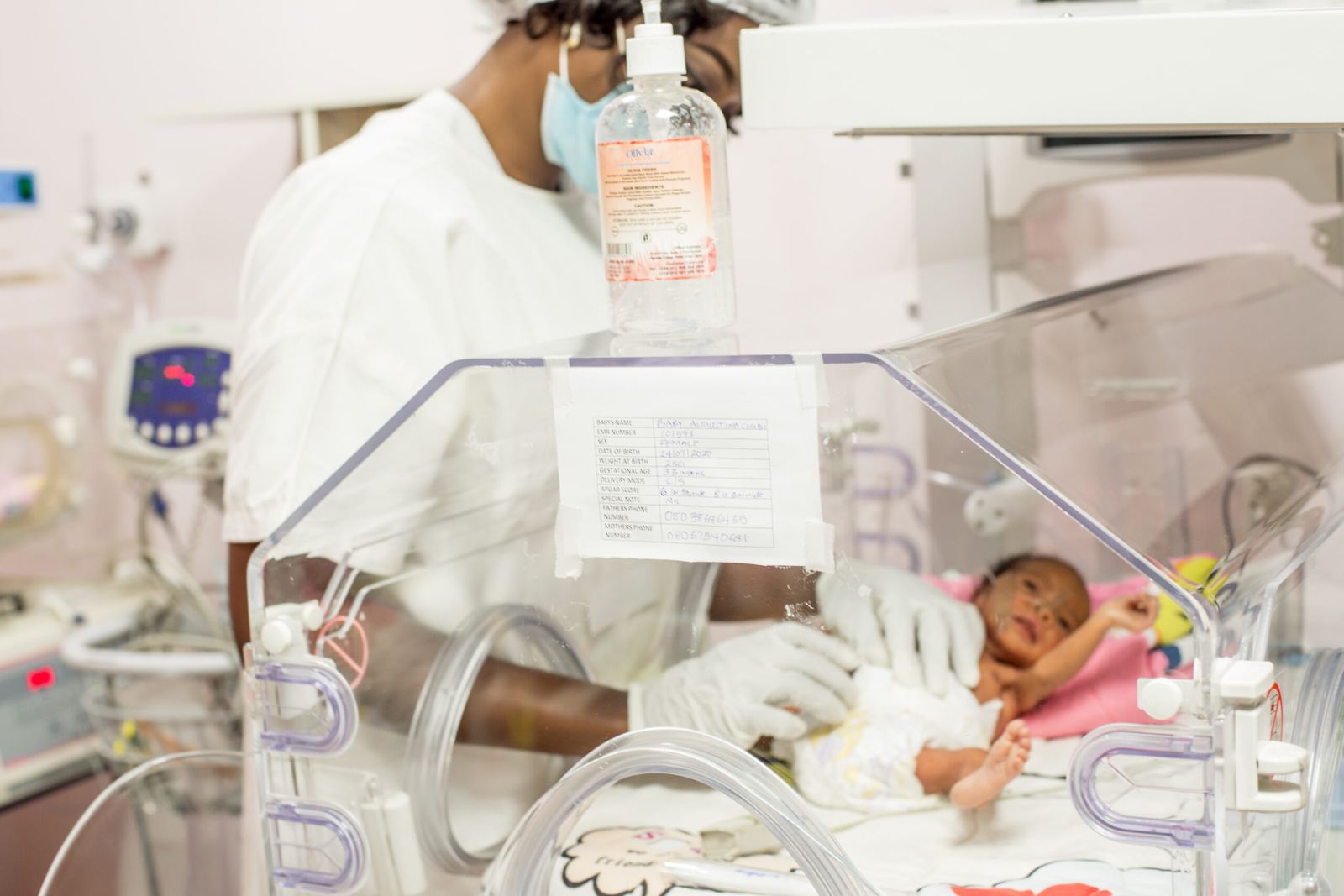
Premature and unwell babies, jaundice, breathing support and newborn transfers from other hospitals.
Call before a transfer, so the team is ready when your baby arrives.
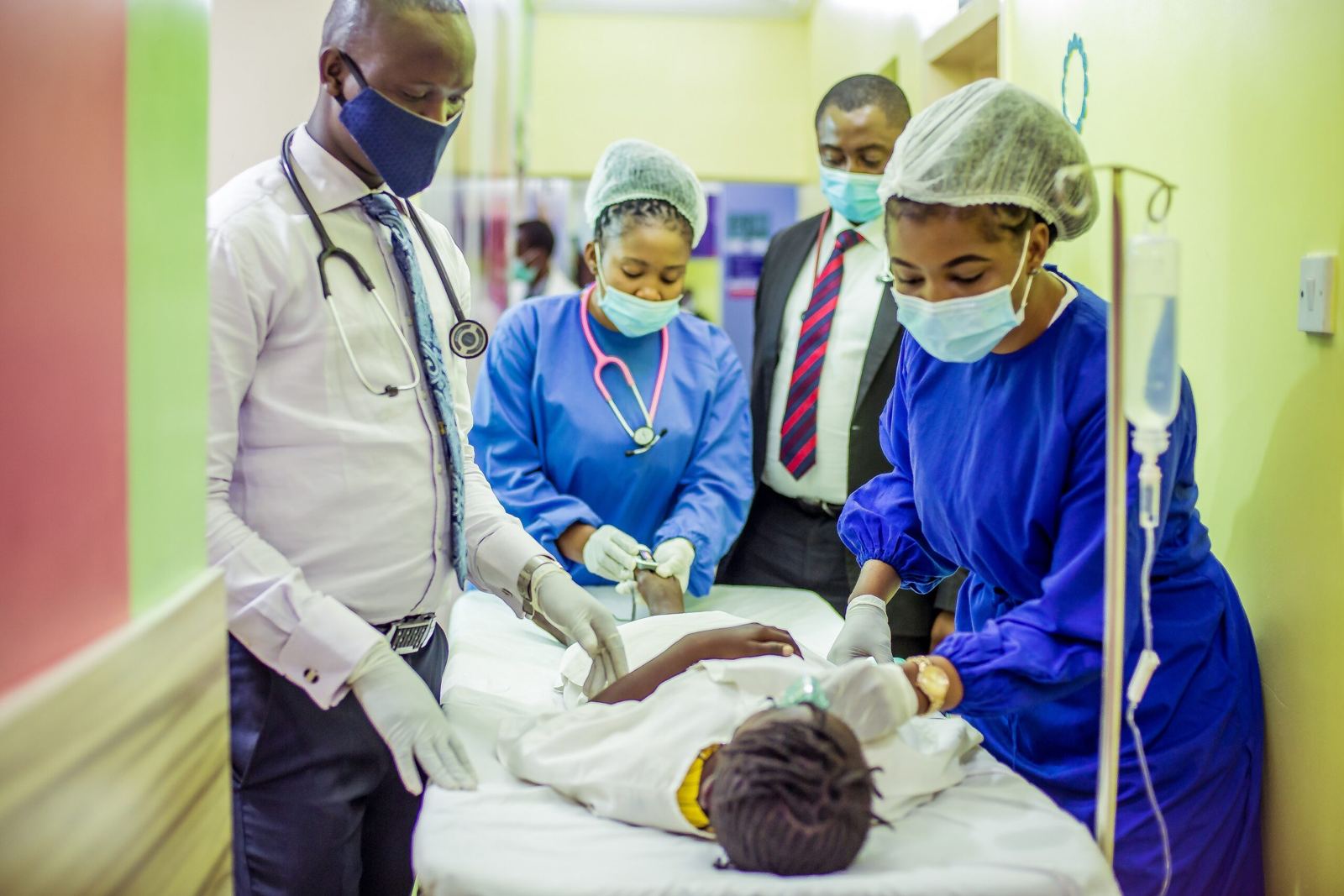
Emergency and Intensive Care
Emergency assessment day and night, children's wards, and a paediatric intensive care unit for the sickest children.
When a child gets sicker, care steps up without changing hospital.
Children's Surgery
Hernias, undescended testes, birth differences and emergency operations, planned around a child's size and fears.
You will know what happens before, during and after the operation.
Little Hearts
Murmurs, heart differences present from birth and heart scans (echocardiograms), with CardioCare in the same group.
A murmur is a question to answer, not a verdict.
Development Starts Early
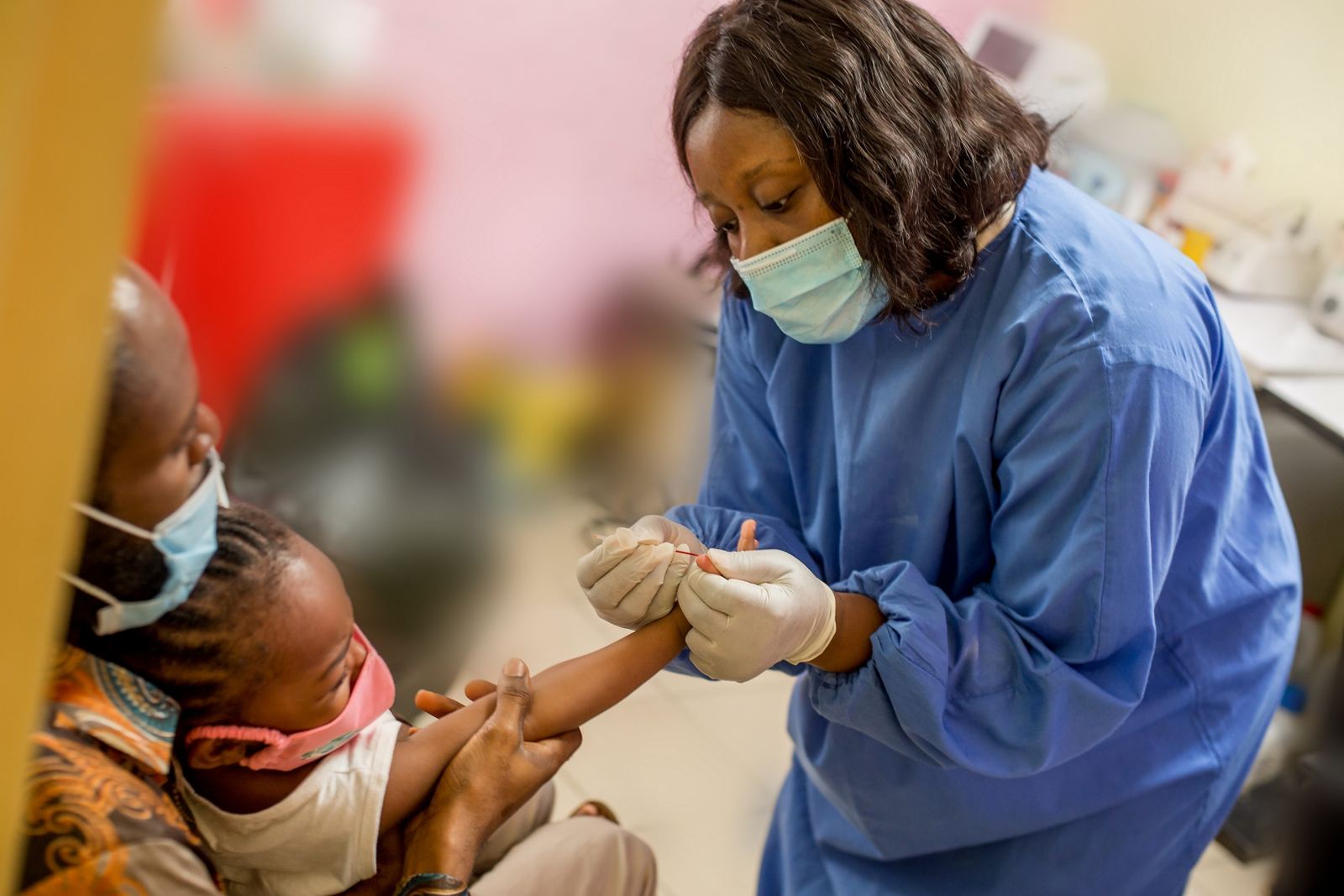
Speech, movement, learning and behaviour, including autism assessment and speech therapy.
Early questions deserve expert answers, not labels or blame.

Everyday Care
Coughs, fevers, check-ups, vaccines, growth and teenage health. Start here for any worry.
If your child needs a specialist, the general paediatrician brings one in.
More than 30 specialties for children
Our Specialties
Children's medicine, surgery and therapy in one hospital. Start with general paediatrics and the team brings in the right specialist.
Newborn and Critical Care
Surgery and the Heart
Specialist Clinics
Stage by stage
How Old Is Your Child?
Choose your child's age to see what to watch for and the guides parents at that stage use most.
Getting Ready for Your Baby
Most babies need nothing more than their mother, warmth and milk. If a scan or a screening test has raised a question, or your baby may arrive early, meet the newborn team before the birth.
- your baby is moving less than usual
- you are bleeding, or your waters break early
- you have a bad headache, blurred vision or swelling of the face
Hospital Bag Checklist for the Birth
Everything to pack for the birth by 36 weeks, for you, the baby and your partner, plus the documents to carry.
Checklist GuidePremature Babies and the NICU: A Guide for Parents
What happens in the NICU, a plain-language glossary, expressing milk, kangaroo care, looking after yourself, and taking your baby home.
15 min read GuideBreastfeeding: The First Hour, a Good Latch, and Knowing Your Baby Is Getting Enough
The first hour, a deep latch step by step, wet nappies by day, sore nipples, storing milk in the heat, going back to work, and when to get help.
17 min read GuideAfter the Birth: Your Recovery in the First Six Weeks
What is normal in the six weeks after birth, how to look after stitches and a caesarean wound, baby blues versus depression, and the danger signs for mothers.
13 min readThe First Four Weeks
Newborns show illness quietly. A baby who stops feeding or becomes unusually sleepy can be more unwell than a baby who is crying loudly. Trust the feeling that something has changed.
- will not feed, or feeds and then keeps vomiting
- turns yellow in the first 24 hours, or yellow reaches the palms and soles
- has a temperature of 38 °C or more or feels unusually cold, grunts, or breathes 60 or more times a minute
- is floppy, hard to wake, or has a fit
Newborn Warning Signs: When Not to Wait
The signs in the first four weeks that mean come in now, and the many things that are normal.
11 min read GuideNewborn Jaundice: When Yellow Is Normal and When It Is Urgent
How to check for jaundice at home, the signs that need a test today, pale stools, G6PD, phototherapy and why sunlight is not a treatment.
16 min read GuideCaring for Your Newborn: Cord, Bathing, Nappies, Skin and Warmth
The everyday care of a new baby: cord, bath, nappies, skin, warmth, visitors, nets and the first check-ups, including which traditions to skip.
15 min read ChecklistBringing Your Newborn Home: The First-Week Checklist
Before you leave hospital, setting up home, and a daily check for the first two weeks you can tick each day.
ChecklistThe First Year
Vaccines on time, milk and then food from six months, and learning which fevers can be watched at home. A baby under three months with a fever always needs to be seen.
- is under 3 months old and has a temperature of 38 °C or more
- breathes 60 or more times a minute, grunts, or the skin sucks in below the ribs
- has had no wet nappy for 12 hours, or has a sunken soft spot
- has a rash that does not fade when you press a glass on it
Vaccination Planner: Your Child's Dates
Enter a date of birth and get every due date on Nigeria's routine schedule, with phone reminders.
Interactive tool Interactive toolFever in Children: What to Do
Enter the age, the temperature and what you see. The checker tells you whether to watch at home, book a visit or come in now.
Interactive tool GuideStarting Solid Foods: First Meals from Six Months with Nigerian Foods
Signs your baby is ready, first foods from the market, how much and how often by age, textures month by month, and foods to avoid in the first year.
12 min read GuideSafe Sleep for Babies: Reducing the Risk of Sudden Infant Death
On the back, own flat space, nothing in the cot, bed-sharing risks, nets, heat and generator fumes, plus how much sleep babies and toddlers need.
13 min readWalking, Talking, Exploring
Toddlers put everything in their mouths and climb everything they can reach, so most of this stage's emergencies are accidents. It is also when parents first ask about speech. Ask early: the development team sees toddlers for speech, movement and behaviour.
- may have swallowed a button battery, medicine, kerosene or bleach
- is choking or was choking and is still coughing or wheezing
- has a fit, or is unusually drowsy after a fall
Milestone Checker: What Most Children Do by Each Age
From 2 months to 5 years: what most children do by each age, and when "not yet" is worth asking about.
Interactive tool GuideTalking and Understanding: Speech and Language from 1 to 4 Years
What to expect at 12, 18, 24 and 36 months and 4 years, when to ask for a check, and how to build language every day.
15 min read First aidChoking in Babies and Children: What to Do
Illustrated steps for a choking baby and a choking child, what never to do, and the foods and objects to keep away.
First aid ChecklistHome Safety Checklist: Room by Room
Walk through your home room by room and tick off the changes that prevent burns, poisoning, drowning, falls and road injuries.
ChecklistSchool Years
Fevers that keep coming back, asthma, sickle cell and school health checks. The most useful thing at this age is a plan everyone knows — at home and at school.
- has a fever with a stiff neck, a purple rash or confusion
- has sickle cell disease and a temperature of 38 °C or more
- is too breathless to speak in full sentences
- has severe tummy pain that is getting worse
Malaria in Children: Testing, Treatment and Fevers That Come Back
Test before you treat, the signs of severe malaria, and why a fever can come back after malaria treatment.
15 min read GuideAsthma in Children: Inhalers, Spacers, Triggers and Attacks
Reliever and preventer inhalers, using a spacer, a printable action plan, and what to do in an attack.
16 min read GuideSickle Cell Disease in Children: Staying Well and Knowing the Emergencies
Genotype, the daily plan that prevents crises, and the emergencies that cannot wait.
15 min read ChecklistBack to School: The Health and Safety Checklist for Each Term
Health checks, a printable card for the school, what a child with asthma, allergy, sickle cell, epilepsy or diabetes needs, and safety each term.
ChecklistGrowing Up
Teenagers need care that talks to them, not about them. The adolescent team covers puberty, mood, sleep, sport and the long-term conditions teenagers learn to manage themselves.
- talks about wanting to die or hurting themselves
- has taken more medicine than prescribed, or something unknown
- has sudden severe pain in the tummy or testicles
Teenage Health: Puberty, Periods, Mood, Sleep and Staying Safe
Puberty, periods, sleep, mood, exams, drugs and online safety — written for parents and teenagers to read together.
15 min read GuideTyphoid in Children: The Real Illness, the Widal Test and Prevention
Why "typhoid" is diagnosed far more often than it happens, what the real illness looks like, and how to prevent it.
13 min read GuideAllergies in Children: Food, Anaphylaxis, Harmattan and Stings
Food allergy signs, what to do in anaphylaxis, early groundnut for babies, testing, and living with allergy.
14 min read Interactive toolSymptom Diary: A Timeline to Show the Doctor
Log temperatures, medicines, feeds and nappies with the time, then show or send the timeline to the doctor.
Interactive toolThe people and the place
Inside Limi Children's Hospital
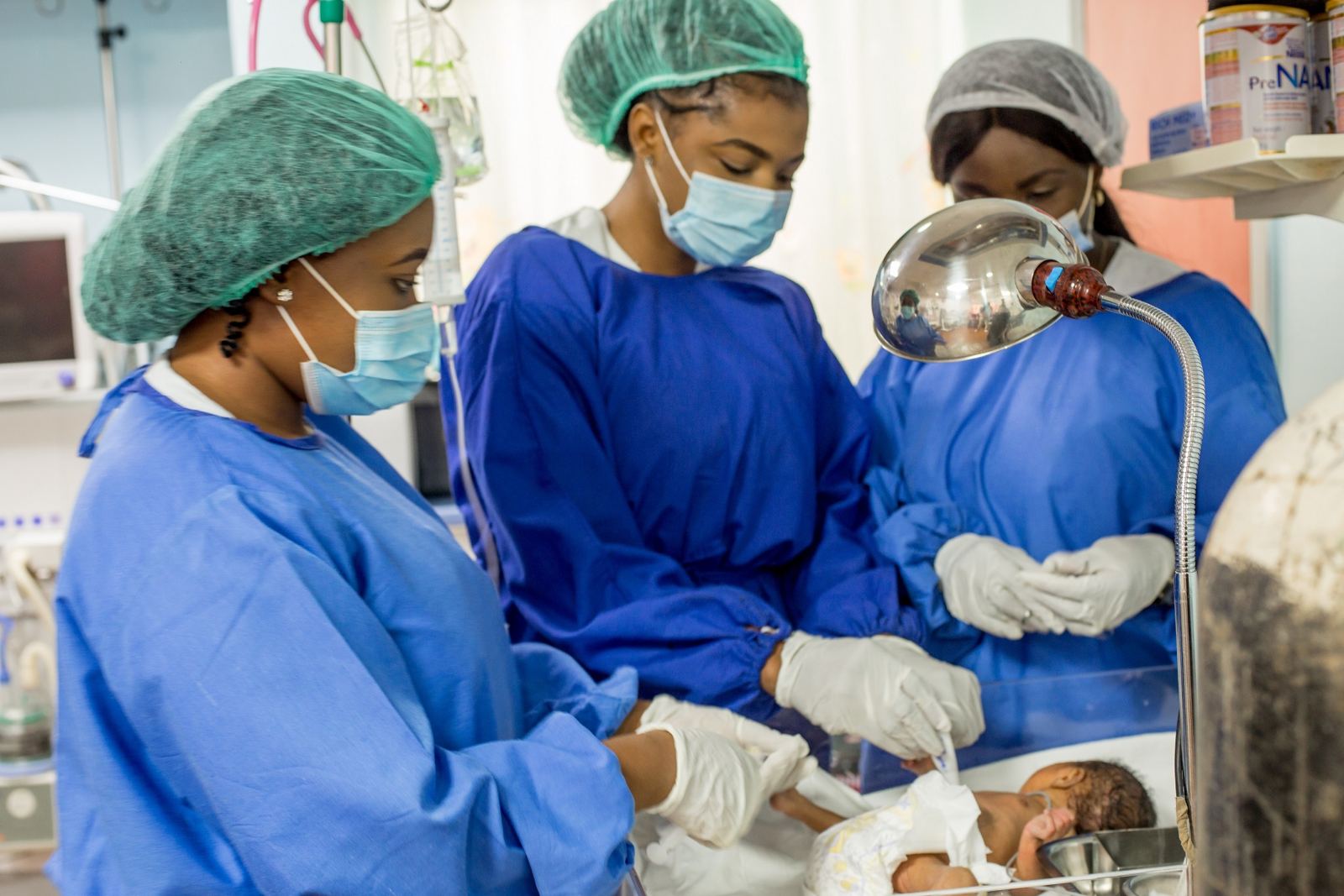
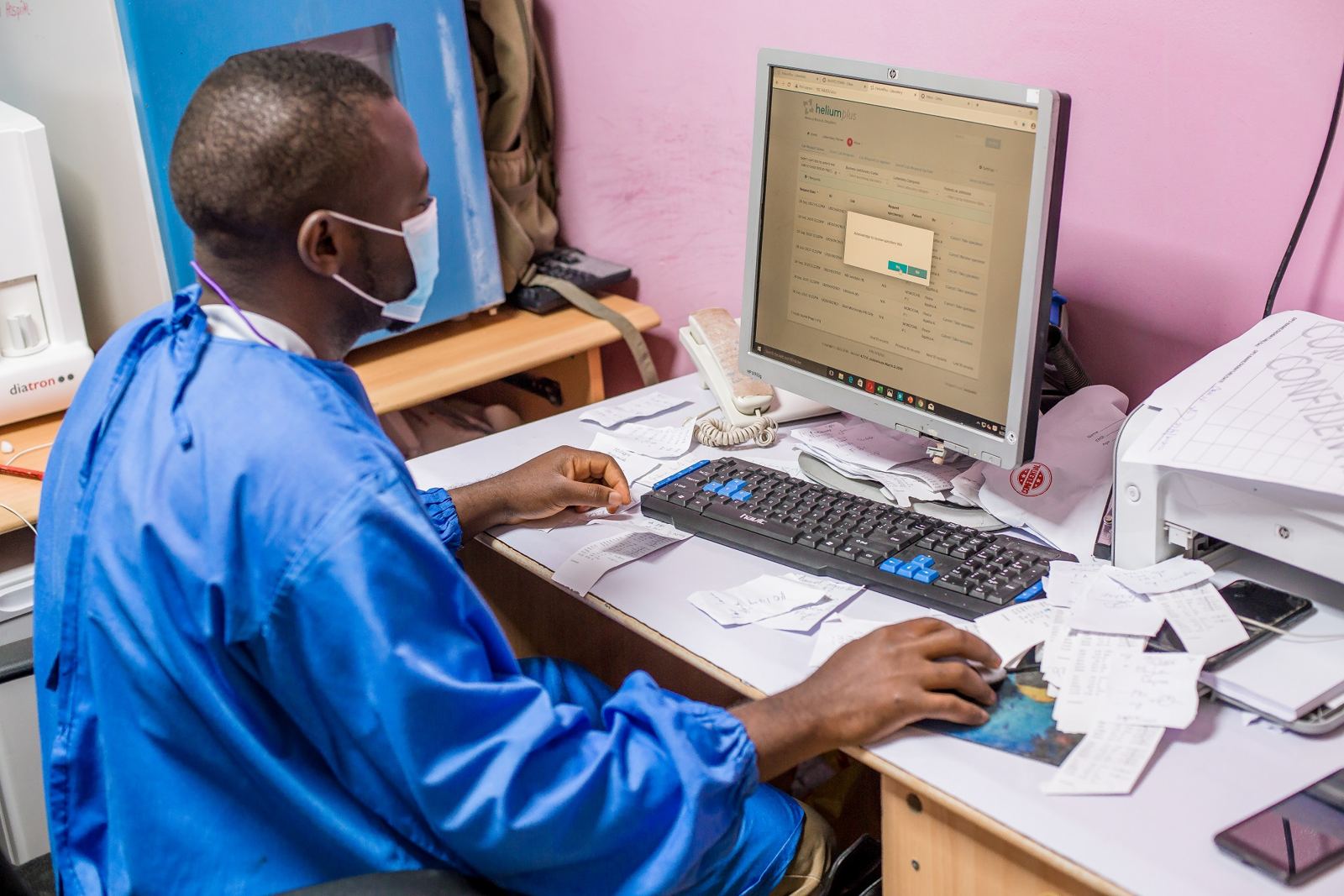
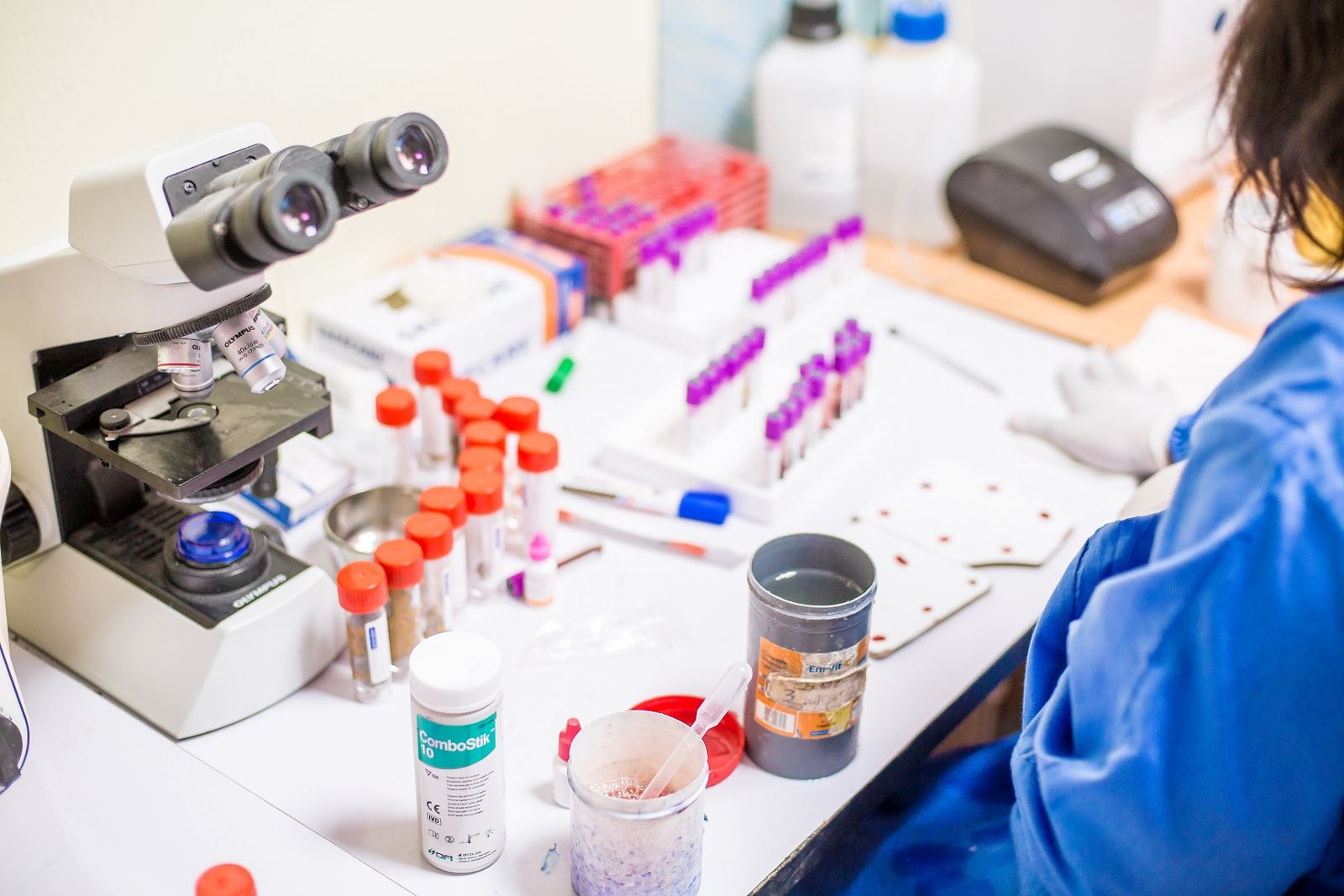
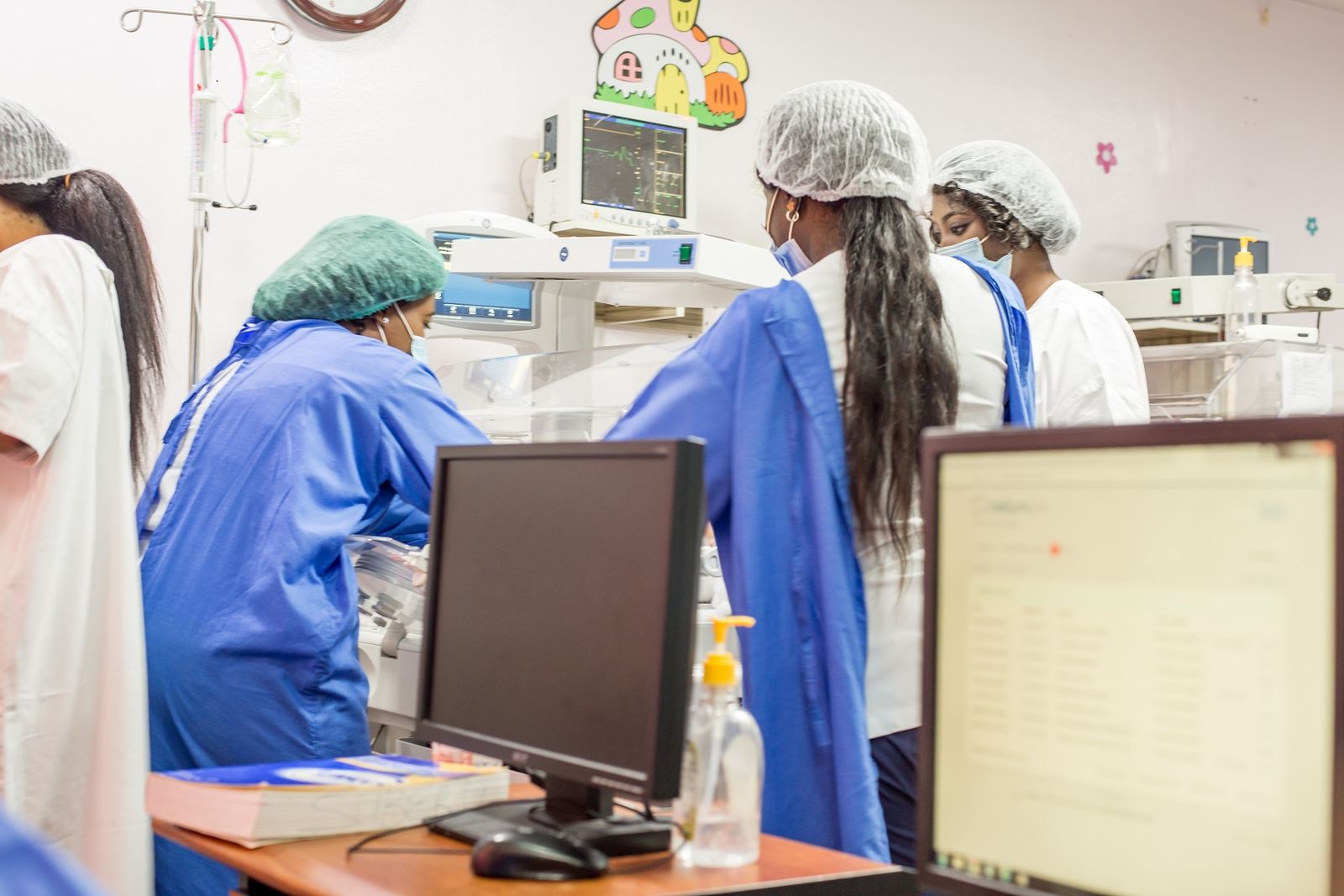
Neonatal nurses, surgical teams, laboratory scientists and pharmacists who work only with children, as one team around your child.


A Hospital That Also Teaches
Limi Children's Hospital hosts the Abuja Perinatal Symposium, now in its fifth edition, and monthly practice updates for doctors, nurses and midwives across Nigeria. Teaching keeps the team's own practice current and connects it to the maternity centres and hospitals your child may come from.
About the Abuja Perinatal SymposiumParent library
A Parent Library You Can Keep, Print and Pass On
40 guides, tools and checklists written for parents in Nigeria: what is normal, what to do at home, and the signs that mean it is time to come in. Every one can be sent on WhatsApp or printed for the fridge, the nanny or the school.
Preview: Limi Bump to Birthday
See what is normal, what to watch and when to come in, from your first scan to your baby's first birthday, for mothers, fathers and grandmothers. This is an early preview with sample data: nothing you enter is seen by a nurse.
Fever in Children: What to Do
Enter the age, the temperature and what you see. The checker tells you whether to watch at home, book a visit or come in now.
Interactive tool Interactive toolIs My Child Breathing Too Fast? A 60-Second Counter
Tap once per breath for 60 seconds. The counter tells you if it is fast for your child's age, and what to do.
Interactive tool Interactive toolVaccination Planner: Your Child's Dates
Enter a date of birth and get every due date on Nigeria's routine schedule, with phone reminders.
Interactive tool Interactive toolMilestone Checker: What Most Children Do by Each Age
From 2 months to 5 years: what most children do by each age, and when "not yet" is worth asking about.
Interactive toolOur promise
How We Work with Families
Children need care designed for their size, their stage and their fears. Parents need honest answers and a say in every decision. Here is what we do.

-
Explained in plain words
What we think is happening, what we are testing for, what we do not know yet, and what would change the plan.
-
One team, one story
Specialists, nurses, therapists and the laboratory work together around your child, so you tell your child's story once, not at every door.
-
Your child's information stays protected
We ask before any photograph, recording or sharing of your child's details, and use only what care needs. How we handle it.
-
Honest about waiting
If there is a wait, ask us how long and why. Children who are more unwell are seen first, and if your child gets worse while you wait, tell a nurse straight away.
-
A plan to take home
Ask for it in writing: what to give, what to watch for, when to come back, and who to call if things change tonight.
Referrals
For Doctors, Midwives and Maternity Centres
Your patient remains your patient. We acknowledge the referral, keep you updated, send a report and refer the child back to you when specialist care is done.
Call before transferring a newborn or a critically ill child, so the receiving team can prepare. Our monthly practice webinars and the Abuja Perinatal Symposium are open to the professionals who care for mothers and children across Nigeria.
Book Online, Call or Come In. the Children's Team Is Here Day and Night.
If your child is seriously unwell, do not book and do not wait for a message reply. Come to Limi Children's Hospital now, day or night, or go to the nearest emergency department if you cannot get here quickly. Have someone else drive if you can, so you can watch your child, and call 0813 408 5400 on the way so the team can prepare. See the signs that mean go now.