
Non-Invasive Prenatal Testing (NIPT)
A blood test in pregnancy that screens for certain chromosome conditions in the baby. NIPT uses a sample of the mother's blood to estimate the chance of these conditions. It is a screening test: it tells you whether the chance is low or high, not whether the baby definitely has a condition. Whether to have it is your choice. Our team gives you the facts, counsels you before and after, and plans with the neonatal team if your baby will need care after birth.
Who Asks About NIPT
Any pregnant woman can choose to have NIPT. Women often ask about it when:
"I Am over 35"
The chance of some chromosome conditions rises with the mother's age, though most babies of older mothers do not have one.
"My Scan Showed Something"
For example, extra fluid at the back of the baby's neck on an early scan. A scan finding may call for a diagnostic test instead, so talk to the team before you book NIPT.
"A Previous Pregnancy Was Affected"
Or a close relative has a chromosome condition. Genetic counselling helps you choose the right test.
"I Just Want to Know More"
Some women want information to prepare. Others decide they do not want screening at all. Both are reasonable choices.
What Happens
- Counselling before the test. A conversation about what NIPT can and cannot tell you, what you would do with each kind of result, and whether you want to know the baby's sex. You can decide not to go ahead.
- A dating scan, if you have not had one. NIPT needs an accurate pregnancy age and the number of babies. It can be done from about 10 weeks.
- A blood sample from your arm. No risk to the baby. You do not need to fast.
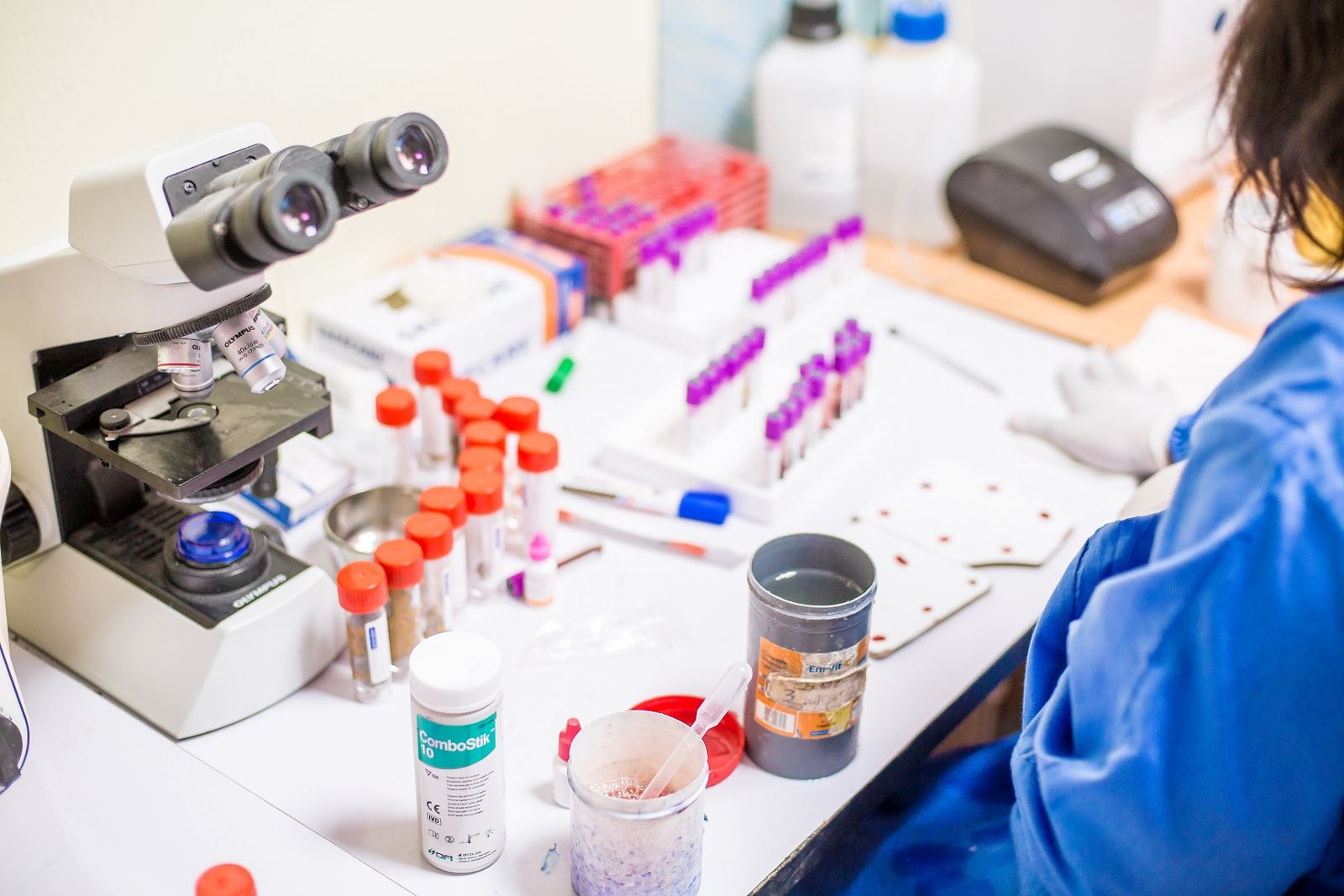
- The sample is analysed. Your blood carries small pieces of DNA from the placenta, which usually matches the baby's. The laboratory counts them to estimate the chance of certain conditions.
- Results, explained. The team tells you how and when you will receive the result and explains every result, including a low-chance one. A high-chance result comes with time to talk and a clear next step.
- Follow-up when the result calls for it. A diagnostic test, a detailed scan, and planning with our neonatal team if your baby is likely to need care after birth.
Understanding NIPT
What It Screens For
- Trisomy 21 (Down syndrome). NIPT finds most, but not all, pregnancies with Down syndrome.
- Trisomy 18 (Edwards syndrome) and trisomy 13 (Patau syndrome). Rarer, and usually more serious.
- Sex chromosome differences, such as Turner syndrome, depending on the test chosen. These results are less certain than for trisomy 21.
- The baby's sex, if you ask for it and the test offers it. You can choose not to be told.
Some tests offer extra panels for very small missing or extra pieces of chromosomes. These are less reliable and produce more false alarms; the team tells you whether they would help in your case before you choose them.
Screening, Not Diagnosis
A screening test sorts pregnancies into lower and higher chance. It does not give a yes or no answer. A diagnostic test looks at the baby's own cells and gives a definite answer.
| Compared | NIPT (screening) | Amniocentesis or CVS (diagnostic) |
|---|---|---|
| What is tested | Mother's blood | Fluid around the baby (amniocentesis) or a tiny piece of placenta (CVS) |
| When | From about 10 weeks | CVS from about 11 weeks; amniocentesis from about 15 weeks |
| Answer | Low chance or high chance | Yes or no for the conditions tested |
| Risk of miscarriage | None | A small risk |
What a "High Chance" Result Means
A high-chance result means the baby may have the condition. It does not mean the baby has it. Sometimes the placenta has a chromosome difference that the baby does not share, or the result is a false positive. How likely a high-chance result is to be correct depends on the condition, your age and your scan findings; the team explains the figure for your result.
No decision about the pregnancy should be made on NIPT alone. A high-chance result is followed by a diagnostic test, usually amniocentesis or CVS, and a detailed scan. Sometimes the test returns no result, often because there was not enough placental DNA in the sample; this usually means a repeat blood test, and does not in itself mean something is wrong.
What NIPT Cannot Tell You
- Whether the baby has a heart, spine, brain, kidney or other structural difference. You still need the detailed scan at around 18 to 22 weeks.
- Most conditions caused by a change in a single gene, such as sickle cell disease. Ask about testing if you and your partner both carry the sickle cell trait.
- Autism, learning ability, or how a child with a condition will grow and develop.
A low-chance result is reassuring, but it does not rule out every condition. Twins, IVF pregnancies, a high body weight and some medicines can affect the test; tell the team about any of these.
Counselling and Making Decisions
Before the test, you talk through why you are having it and what you would want to do next with each kind of result. After a high-chance or confirmed result, you have time with a clinician to understand what the condition means, meet the neonatal and specialist teams if you wish, and decide what is right for your family. Nobody here will pressure you towards any decision. For many families, knowing early gives time to prepare. If your baby may need the NICU or the heart team, meeting them before the birth makes the first days calmer.
Getting Ready
- Your antenatal card and any scan reports, especially the dating scan.
- Your partner or a support person, if you would like them there for the counselling.
- A written list of your questions.
- Your HMO or NHIA card, if you have one. See what to bring.
Keep seeing your own obstetrician or midwife throughout the pregnancy. With your agreement, we send them your results.
Getting Ready for Your Baby
Hospital Bag Checklist for the Birth
Everything to pack for the birth by 36 weeks, for you, the baby and your partner, plus the documents to carry.
Checklist GuidePremature Babies and the NICU: A Guide for Parents
What happens in the NICU, a plain-language glossary, expressing milk, kangaroo care, looking after yourself, and taking your baby home.
15 min read GuideAfter the Birth: Your Recovery in the First Six Weeks
What is normal in the six weeks after birth, how to look after stitches and a caesarean wound, baby blues versus depression, and the danger signs for mothers.
13 min readQuestions Women Ask
Is NIPT safe for my baby?
Yes. It is a blood test from your arm and does not touch the pregnancy.
Do I need a referral from my doctor?
No. You can book yourself. Bring your scan reports so the team can confirm how far along you are.
Do I have to have NIPT?
No. It is optional. Some women choose it, some prefer a different test, some prefer no screening. The counselling helps you decide; it does not persuade you.
Can my partner come with me?
Yes. Many couples find it easier to talk through results together. You decide who is told.
Does my HMO cover NIPT?
Many plans do not cover screening tests in pregnancy. Ask the care team before booking. See paying and HMOs.
Can NIPT tell me if it is a boy or a girl?
Many tests can, if you ask. It is your choice whether to be told.
Considering NIPT? Book Counselling with Our Team First.
If your child is seriously unwell, do not book and do not wait for a message reply. Come to Limi Children's Hospital now, day or night, or go to the nearest emergency department if you cannot get here quickly. Have someone else drive if you can, so you can watch your child, and call 0813 408 5400 on the way so the team can prepare. See the signs that mean go now.