
General Paediatrics: The Place to Start
A cough that will not go, a fever, a rash, a check-up, the next vaccines, a teenager who is tired all the time. A paediatrician sees your child and deals with what needs doing. If your child needs a specialist, the referral happens inside the hospital, across more than 30 specialties under one roof.
Why Families Come
"She Is Sick and I Want Her Checked Today"
Fever, cough, diarrhoea, ear pain, a rash, tummy pain. If your child is unwell but not in danger, call and ask for a same-day visit.
"It Keeps Coming Back"
Fevers every few weeks, a cough every harmattan, frequent tummy aches. A paediatrician looks for the pattern and its cause.
"Is He Growing Well?"
Weight, height and head size plotted on a growth chart, with honest advice about eating.
"The Next Vaccines Are Due"
Or you have missed some, or you are travelling, or starting a new school.
If your child is struggling to breathe, very drowsy or having a fit, do not book: come to emergency care at Limi Children's Hospital now, day or night. If you cannot get here quickly, go to the nearest emergency department.
What Happens at a Visit
- Registration and checks. Weight, temperature and, for sick children, breathing rate and oxygen level. A child who looks very unwell is seen first.
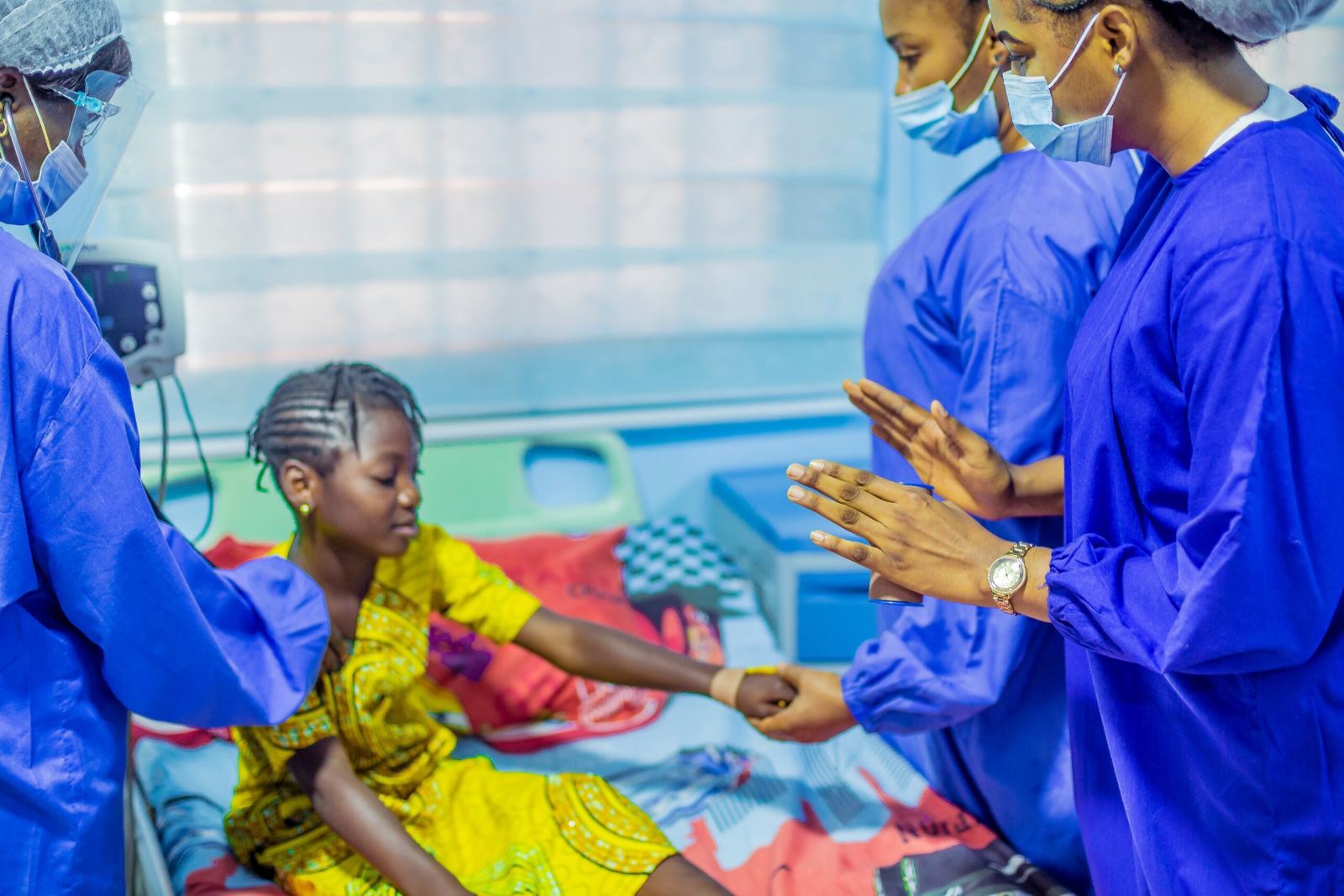
- Seeing the doctor. A paediatrician listens to your story, examines your child and explains what they find.
- Tests only when they change the plan. A malaria test before antimalarials, a urine test for an unexplained fever in a baby, a blood count when it is needed. Not every fever needs a blood test.
- A plan you can follow. What to give, how much fluid, what to watch for, and when to come back, written down.
- Next steps. A follow-up visit, a specialist clinic within the hospital, or a reminder for the next check or vaccine.
What We Offer
General Paediatrics
Paediatricians care for babies, children and teenagers with common illnesses and long-term health needs: fevers and malaria, coughs, wheeze, diarrhoea and vomiting, urine infections, skin problems, poor appetite, tiredness and anaemia. The same team follows children with long-term conditions between specialist visits and brings in a specialist when needed.
Well-Baby and Well-Child Checks
Checks for children who are well. The team measures and plots growth, checks development against what is expected for age, and makes time for the questions that are hard to fit into a sick visit: sleep, feeding, behaviour, toilet training, screen time and safety at home. Book them at the ages when most change happens: the first weeks, 6 weeks, 6 months, 9 and 12 months, 18 months, 2 years, and before starting school. To plan regular checks ahead, see the child wellness plan.
Immunisation
Children's nurses give the vaccines on the Nigerian national schedule, and the extra vaccines families often ask about. Bring the child health card so the record stays complete. A missed vaccine can almost always be caught up without starting again. Use the vaccine schedule tool to see which are due, and call the care team to confirm which vaccines are in stock before your visit.
Adolescent Care
Teenagers need care that talks to them, not about them. Puberty, periods, acne, weight, sleep, sports injuries, headaches, mood, stress and long-term conditions they are learning to manage.
Time alone with the teenager. For part of the visit, the doctor sees the young person on their own, then brings the parent back in. This is standard good practice for teenagers, not a sign that something is wrong. It gives them a chance to ask questions they may find embarrassing. What they say is kept private, except when there is a risk to their safety or someone else's; then the doctor talks with them about who needs to know. Parents are always welcome to share their own worries, privately if they prefer.
Nutrition and Feeding Support
The team helps babies and children who are not gaining weight, are overweight, are very fussy eaters, have allergies, or are moving from milk to food. Advice uses foods you can buy at your local market: ogi or akamu enriched with groundnut paste or crayfish, eggs, beans, fish, ugwu and fruit. The team also supports breastfeeding, and feeding for children who have long-term conditions.
Children's Dentistry
A first dental visit by the first birthday, or when the first tooth appears, then regular check-ups. Treatment for tooth decay, toothache, injuries to teeth and dental anxiety, with time taken to help nervous children settle. Brush twice a day with fluoride toothpaste: a smear for babies, a pea-sized amount from age three. See teeth and teething.
24-Hour Laboratory
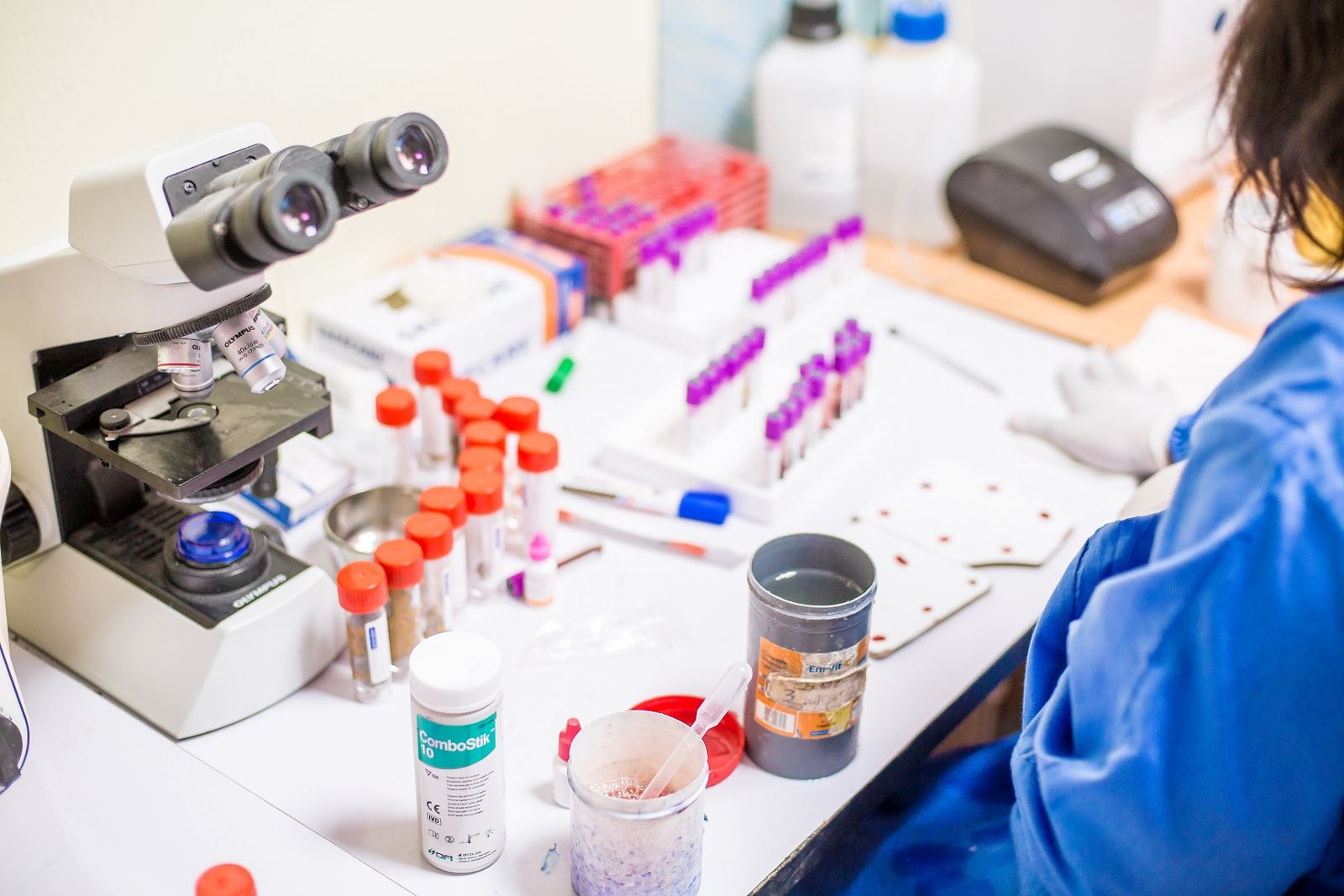
The hospital laboratory works day and night, so tests for a sick child are not left until morning: blood counts, malaria tests, blood sugar, urine tests and more. Staff experienced in taking blood from children do it gently. You can stay with your child while samples are taken.
Imaging and Radiology
X-rays, ultrasound scans and other imaging when your child's doctor needs a picture of what is going on inside. Ultrasound uses no radiation and is often the first choice for children. When an X-ray is needed, the dose is kept as low as possible for your child's size. The care team tells you which scans are done here and how your child should prepare.
Getting Ready
- The child health card and vaccination record.
- Any medicines already given, including herbal ones, and when the last dose was.
- For a fever: how many days, the highest temperature you measured, and any test results from elsewhere.
- For a check-up: a list of your questions, however small.
- Your HMO or NHIA card, if you have one.
More in what to bring.
Useful Between Visits
Vaccination Planner: Your Child's Dates
Enter a date of birth and get every due date on Nigeria's routine schedule, with phone reminders.
Interactive tool GuideTeenage Health: Puberty, Periods, Mood, Sleep and Staying Safe
Puberty, periods, sleep, mood, exams, drugs and online safety — written for parents and teenagers to read together.
15 min read GuideTeething and Children's Teeth: From First Tooth to Knocked-Out Tooth
Teething myths and safe relief, the right amount of toothpaste by age, preventing decay, and what to do when a tooth is knocked out.
12 min readQuestions Parents Ask
Do I need a referral?
No. Book a visit, or come in if your child is unwell. If a specialist is needed, the paediatrician arranges it.
Will the doctor give antibiotics?
Only if your child needs them. Most coughs, colds and diarrhoea are caused by viruses, which antibiotics do not treat. Giving them when they are not needed causes side effects and makes them work less well when they are needed.
We already treated malaria at home. Do we still need a test?
Tell the doctor what was given and when. A fever that continues after malaria treatment often has another cause, and a test helps find it.
Why does the doctor want to see my teenager alone?
It is standard good practice for teenagers, and it helps young people learn to speak about their own health. You are asked to join for the rest of the visit, and you can always speak to the doctor yourself.
Does my HMO cover check-ups and vaccines?
Some plans cover sick visits but not check-ups or some vaccines. Ask the care team to check. See paying and HMOs and the child wellness plan.
Can I stay with my child for blood tests and vaccines?
Yes. Holding your child on your lap, and a feed for babies, helps. Tell them honestly it will be a quick scratch.
Not Sure Which Service Your Child Needs? Start with a Paediatrician.
If your child is seriously unwell, do not book and do not wait for a message reply. Come to Limi Children's Hospital now, day or night, or go to the nearest emergency department if you cannot get here quickly. Have someone else drive if you can, so you can watch your child, and call 0813 408 5400 on the way so the team can prepare. See the signs that mean go now.