
Paediatric Surgery
Operations for babies, children and teenagers, planned around the child. Most children's operations are planned and short, and the child goes home the same day or soon after. The surgical team tells you what happens before, during and after, and tells your child too, in words that suit their age.
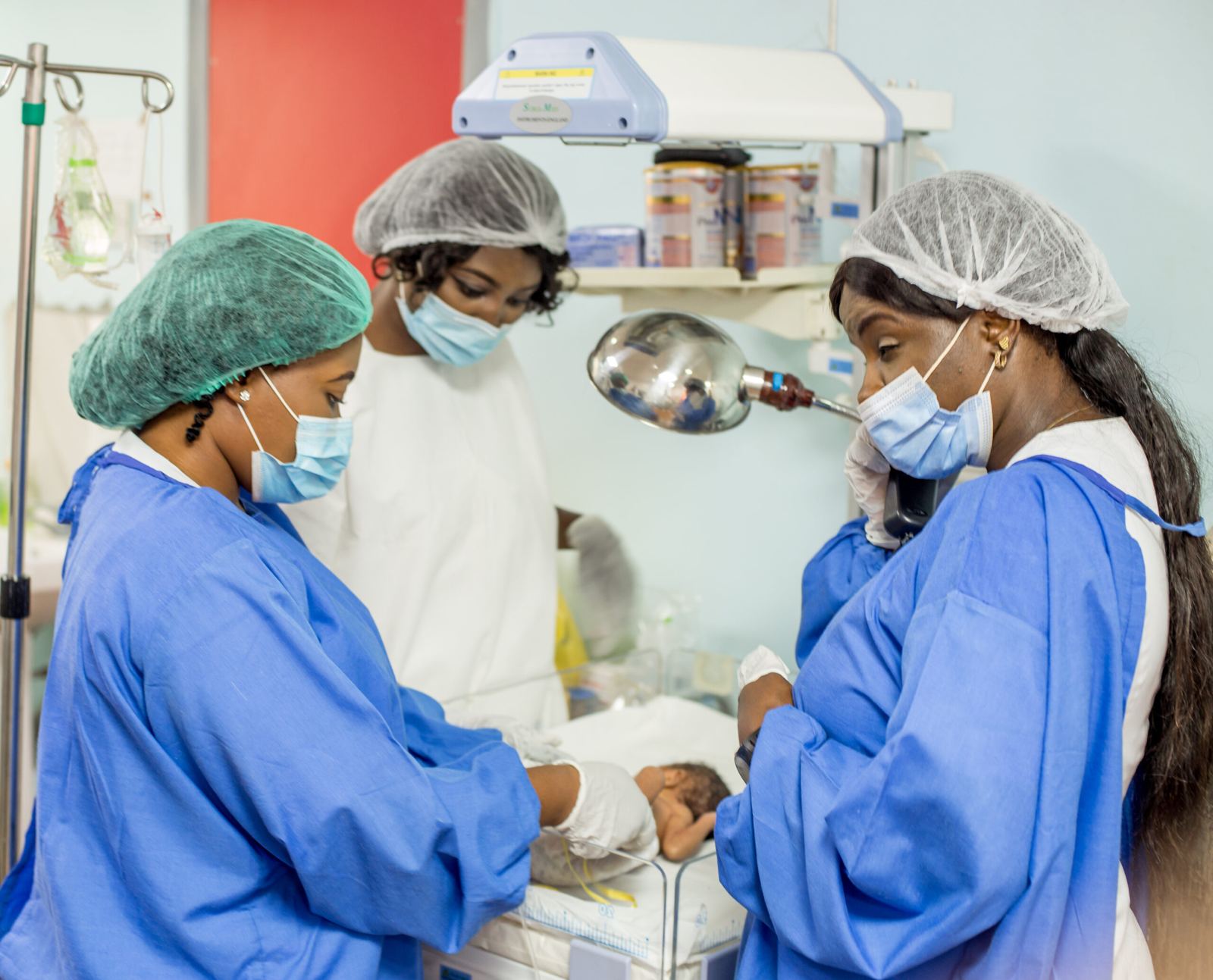
What Brings Families Here
"There Is a Swelling in the Groin"
A lump that comes and goes, often bigger when the child cries or strains. Usually an inguinal hernia, which needs an operation.
"One Testis Is Not in the Scrotum"
A testis that is not in the scrotum by 3 months should be seen by a children's surgeon. An operation is usually advised between 6 and 12 months, and by 18 months at the latest.
"The Wee Does Not Come Out of the Tip"
Hypospadias and other differences of the penis or urinary tract, often noticed at birth.
"My Child Walks Differently"
A foot turned in at birth, a limp, a painful joint, or a broken bone that needs setting.
"The Tummy Pain Is Getting Worse"
Pain that moves to the lower right side, vomiting green fluid, or a baby with bouts of screaming and a swollen tummy. These are emergencies.
"The Scan Showed a Problem Before Birth"
Some babies are born with a difference of the bowel, abdominal wall or kidneys that needs an operation in the first days.
Some Surgical Problems Cannot Wait
A hernia that becomes hard, painful and will not go back; sudden severe pain or swelling in a testis; green vomiting; or tummy pain with a fever and a child who does not want to move. Go to the nearest emergency department now. Read about hernias and testis problems.
Your Child's Operation, Step by Step
- Consultation with the surgeon. The surgeon examines your child, explains what they have found, whether an operation is needed, what it involves, and what would happen if you waited. The surgeon also explains the risks and the alternatives.
- Tests, if needed. The team arranges the tests your child needs: often none for a small planned operation, sometimes a blood test, a scan or an X-ray.
- Pre-operative check. A nurse and an anaesthetist check your child's health, weight, allergies, recent coughs and colds and any previous anaesthetics. This is the time to mention sickle cell disease, bleeding problems or snoring.
- Consent. You sign a consent form only when you understand the plan. Older children are asked for their agreement too.
- The day of the operation. The team tells you exactly when your child must stop eating and drinking, and whether a parent can go into the anaesthetic room and stay until your child is asleep.
- Recovery and going home. Nurses watch your child closely as they wake. Most children go home the same day or after a short stay, with a pain plan, wound care instructions and a follow-up appointment.
What We Treat
Paediatric surgery, urology and orthopaedics are three of more than 30 children's specialties under one roof at Limi. The surgeon plans each operation with you and your child, from the first consultation to the check after you go home.
General Children's Surgery
Inguinal hernias, umbilical hernias that have not closed by around four or five years or are large, hydroceles (fluid around the testis) that persist, tongue-tie that affects feeding, lumps and cysts under the skin, and emergency operations such as appendicitis and abscess drainage. The surgeon also tells you when a problem is best watched instead: many umbilical hernias close on their own.
Newborn Surgery
Some babies need an operation in their first days or weeks: a blocked bowel (intestinal atresia), a gap in the abdominal wall (gastroschisis or exomphalos), a baby with no opening at the bottom (anorectal malformation), or a stomach outlet that has become too narrow (pyloric stenosis), which causes forceful vomiting in the first weeks. The surgeons work with the neonatal team, and the team explains where your baby's operation, and the care before and after it, take place. If a difference was seen on a pregnancy scan, meet the surgeon before the birth to plan the first days.
Paediatric Urology
Undescended testes, hypospadias, a tight foreskin that causes problems, kidneys that looked swollen on a pregnancy scan (hydronephrosis), urine infections linked to urine flowing back towards the kidneys (vesicoureteric reflux), and blockages of the urinary tract. Many of these need scans and follow-up rather than an operation. When surgery is needed, the timing matters, and the team explains why.
Paediatric Orthopaedics
Bones, joints and muscles in growing children: clubfoot (often treated with gentle stretching and plaster casts from the first weeks), hips that are not stable at birth (developmental dysplasia of the hip), fractures, a limp without an obvious cause, bowed legs or knock knees that seem more than usual, and infections of bone or joint. Children's bones heal quickly and differently from adults', so many fractures are treated with a cast rather than an operation. Physiotherapy helps with recovery and strength.
Anaesthesia for Children
Serious problems from anaesthesia are rare in healthy children. The anaesthetist plans the dose and equipment for your child's size, and puts your child to sleep either with a mask of gas or with medicine through a small cannula, sometimes after numbing cream on the hand. Afterwards some children feel sick, cry or are confused for a short while; this passes. If your child has a cough, cold or fever in the days before the operation, call us: the anaesthetist decides whether it is safer to wait.
Pain Control
Pain is planned for, not just treated when it appears. Many operations include a local anaesthetic injection near the wound while the child is asleep, which numbs the area for hours. At home, regular pain relief as prescribed for the first days works better than waiting for your child to complain. Younger children often show pain by being quiet, not eating or refusing to move, rather than by saying it hurts.
For Referring Clinicians
Refer a child with an inguinal hernia, an undescended testis beyond 3 months, hypospadias, an antenatally diagnosed surgical anomaly, suspected developmental dysplasia of the hip, clubfoot, or recurrent urinary tract infection with hydronephrosis. For bilious vomiting, an irreducible hernia, suspected testicular torsion or a surgical newborn, call before transfer on 0813 408 5400. Your patient remains your patient; we acknowledge, update, report and back-refer. See how to refer and transfers.
Getting Ready
- Tell your child the truth, simply. "The doctor will fix the lump while you are asleep. You will not feel it. Mum or Dad will be close by when you wake up." Avoid promising it will not hurt at all.
- Follow the fasting instructions exactly. Food or milk too close to the anaesthetic is the most common reason operations are postponed.
- Bring any medicines, the child health card, results of earlier tests, loose comfortable clothes, a favourite toy, and your HMO or NHIA card if you have one.
- Plan the journey home with a second adult, so one of you can sit with your child.
Use the surgery checklist and read what to bring.
Before the Operation
Read these together, or share them with whoever is coming with you on the day.
Preparing Your Child for an Operation
What to say at each age, why fasting matters, the day itself, recovery at home and the signs that mean come back.
16 min read GuideHernias, Testicle Problems and Other Common Surgical Conditions in Children
The lumps, swellings and vomiting that bring children to a surgeon — which can wait, which need an operation, and which are emergencies.
14 min read ChecklistYour Child's Operation: The Checklist from the Week Before to Home Again
The days before, the night before, the morning of, what to pack, the papers to bring, and caring for your child at home after surgery.
ChecklistQuestions Parents Ask
Do I need a referral to see the surgeon?
No. Book directly. A letter from your child's doctor, and any scans or test results, help the surgeon understand the history. If you are a doctor referring a child, see how to refer.
Can I stay with my child?
Before the day, the team tells you whether you can stay until your child is asleep, be there as they wake, and stay overnight on the ward.
Can we wait until my child is older?
It depends on the condition. Some, such as umbilical hernias, often get better with time. Others, such as an inguinal hernia or an undescended testis, are safer treated sooner. The surgeon tells you what waiting would mean for your child.
My child has sickle cell disease. Is surgery safe?
Children with sickle cell disease can have operations, with extra planning: a blood count beforehand, sometimes a transfusion, good fluids and warmth, and close watching afterwards. Make sure the team knows.
Will my HMO cover the operation?
Many plans need approval before a planned operation. Ask the care team to help you request it early. See paying and HMOs.
When can my child go back to school?
After most day operations, within a few days, once they are comfortable and off regular pain relief. Sports and rough play wait longer. The team gives you advice for your child's operation before you go home.
Been Told Your Child Needs an Operation? Book a Consultation with the Surgeon.
If your child is seriously unwell, do not book and do not wait for a message reply. Come to Limi Children's Hospital now, day or night, or go to the nearest emergency department if you cannot get here quickly. Have someone else drive if you can, so you can watch your child, and call 0813 408 5400 on the way so the team can prepare. See the signs that mean go now.