
Neonatology and Neonatal Intensive Care
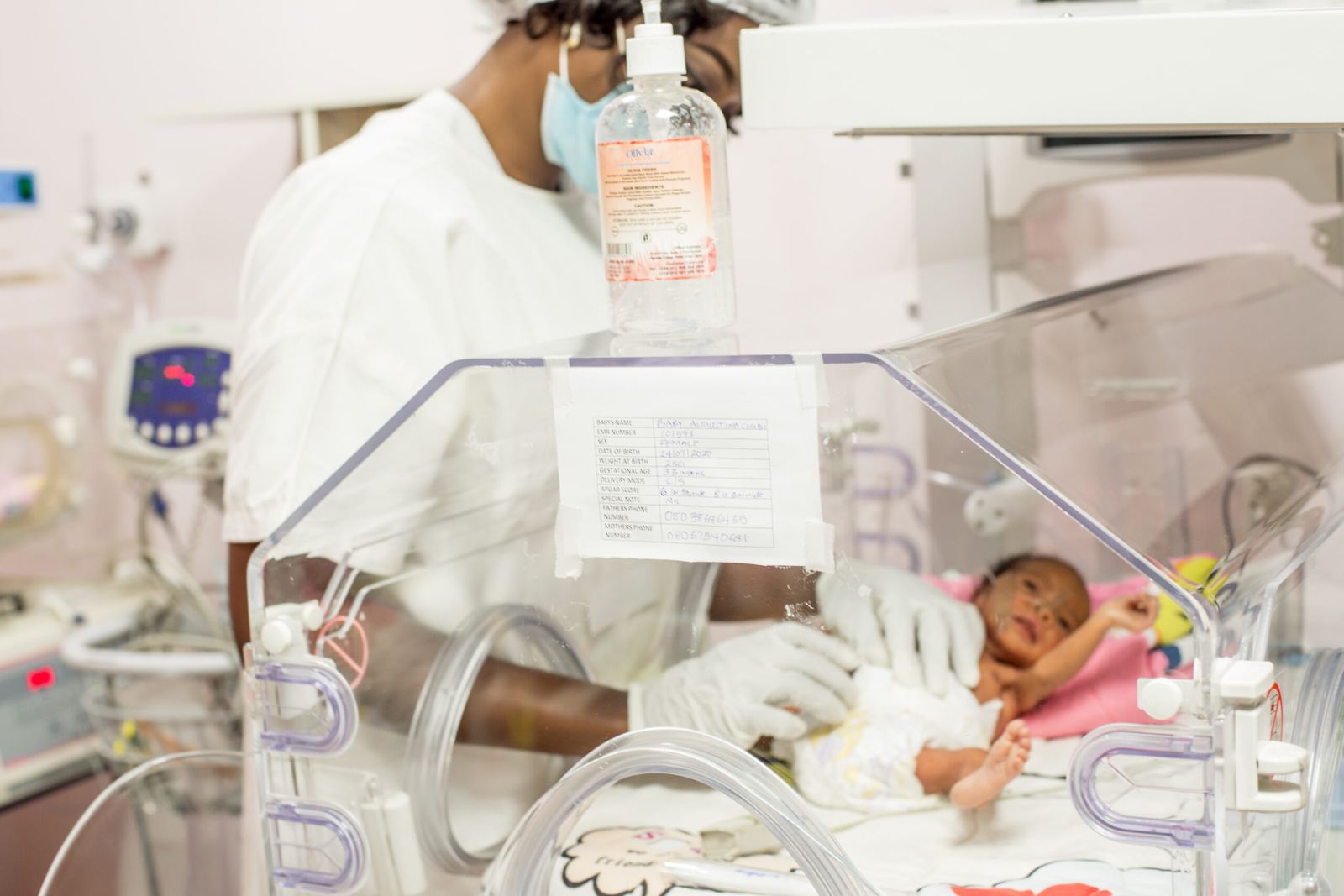
Care for babies who arrive early, arrive small, or become unwell in the first weeks of life. The neonatal team cares for your baby around the clock in the NICU, and you are part of that team from the first day: holding, feeding, and hearing plainly what is happening and why.
Who This Is For
Most babies never need a neonatal unit. These are the reasons families come to us.
"My Baby Came Early"
Babies born before 37 weeks, and especially before 34 weeks, may need help to breathe, stay warm and feed while their lungs and gut mature.
"My Baby Is Very Small"
A low birth weight baby can tire quickly at the breast and lose heat fast. Some need tube feeds and an incubator for a while.
"They Said the Breathing Is Not Right"
Fast breathing, grunting, or skin sucking in under the ribs after birth. Some need oxygen or gentle pressure support (CPAP) for a while.
"My Baby Is Yellow"
Jaundice that started in the first 24 hours, is spreading, or is not fading. Many babies need only light treatment (phototherapy) and a few blood tests.
"My Baby Stopped Feeding" or "Feels Hot"
In a newborn these can be the first signs of infection. Babies with a fever, low temperature, fits or floppiness are assessed straight away.
"Something Was Seen on a Scan"
A difference found before birth, such as a heart or bowel condition. Meet the neonatal team before delivery to plan where and how your baby is born.
If Your Newborn Is Unwell at Home Now
A baby who will not feed, is hard to wake, has a fit, breathes fast or feels too hot or too cold needs an emergency department straight away. Go to the nearest one. If you are coming to Limi, call 0813 408 5400 on the way so the team can prepare. See the newborn warning signs.
What Happens When Your Baby Is Admitted
Every baby's stay is different. Most follow these steps.
- Your baby is stabilised first. Warmth, breathing and blood sugar come before anything else. If you are asked to wait outside for a short time while lines and monitors are placed, a member of the team comes to tell you what is happening.
- The team explains what they have found. A doctor from the neonatal team talks you through the likely problem, the tests being done and the treatment started. Ask them to repeat anything that did not make sense.
- You meet your baby's nurse. Each shift, a nurse is caring for your baby; ask their name. They are the first person to ask about feeds, cares and how the night went.
- You are shown how to help. Washing your hands, touching through the incubator ports, changing a nappy, and when your baby is ready, holding them skin to skin.
- A plan is reviewed every day. The ward round decides the next step: less breathing support, bigger feeds, fewer tests. Ask what would change the plan.
- Going home is prepared, not rushed. Before discharge you practise feeding and care on your own, learn the warning signs, and leave with written follow-up appointments.
What the Neonatal Team Does
Neonatology: Newborn Medicine
The neonatal team sees babies in the neonatal unit and in clinic: checks for babies with a risk factor (such as a mother with diabetes, or waters broken for a long time), feeding and weight gain, jaundice, and follow-up after intensive care.
The Neonatal Intensive Care Unit (NICU)
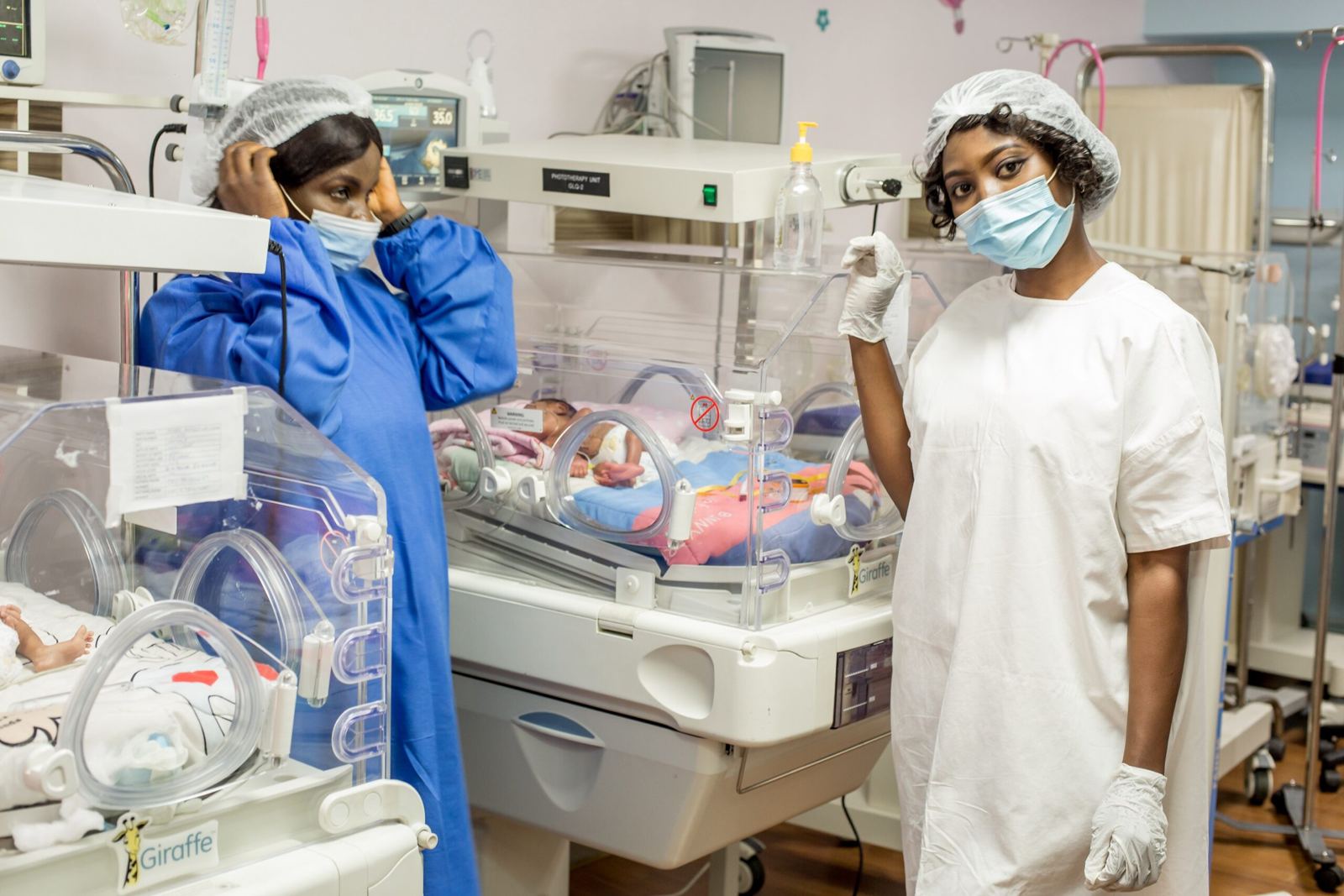
The NICU cares for premature and sick newborns who need close watching or treatment: incubators to keep them warm, oxygen and breathing support, tube and drip feeding, phototherapy for jaundice, and treatment for infection. It works alongside the PICU, the 24-hour laboratory and imaging in the same hospital. Monitor alarms are frequent; most are not emergencies, and the nurses explain which ones matter.
Your Place in the NICU
Babies do better when their parents are close. From the first days, you can:
- Hold your baby skin to skin (kangaroo care) once they are stable enough. It keeps them warm, steadies their breathing and helps your milk supply. The World Health Organization recommends it for small and premature babies, starting as early as possible.
- Express breast milk. Even a few drops of early milk (colostrum) matter for a premature baby's gut. A nurse shows you how to express by hand or pump, and how to store it.
- Do your baby's cares: nappy changes, mouth care, temperature checks and tube feeds once you are confident.
- Be there for the ward round or ask for a daily update. If you cannot be there, tell the nurses how and when you would like to be told news, and who else may be told.
Arrangements for parents staying overnight, siblings and other visitors depend on how many babies are in the unit. The nurse in charge explains the arrangements for your family. To protect small babies from infection, anyone with a cough, cold, fever or diarrhoea should stay away until they are well.
Going Home and Follow-Up
Babies usually go home when they are feeding well by breast, cup or bottle, keeping warm in a cot, and gaining weight. Before you leave, the team goes through feeding, warning signs, safe sleep and any medicines. After a NICU stay, follow-up usually includes:
- Growth and feeding checks in clinic.
- Development: sitting, moving, playing and talking are watched over the first two years. Premature babies are measured by their corrected age (the age they would be if born on their due date).
- Eyes: many babies born early or small need an eye examination for retinopathy of prematurity, a condition of the back of the eye that can affect sight if not found. The team tells you whether your baby needs it, and when and where it is done.
- Hearing: a hearing screen before or soon after going home, because NICU babies are at higher risk of hearing loss, which affects speech if missed.
- Vaccines on time, by birth date, not corrected age.
If your baby needs a specialist later, such as the heart team or development services, the referral is made inside the hospital, with more than 30 children's specialties under one roof.
Newborn Transfer from Another Hospital
Call before transfer so our team can prepare. If your baby was born at another hospital or maternity centre and needs neonatal care, the doctor or midwife there calls us before the baby leaves. That call lets the receiving team get an incubator, breathing support and the right people ready, and gives advice on keeping your baby stable on the journey.
Neonatal transfer support, including a transport incubator, is provided when available and clinically arranged between the two teams. The transport incubator is not always free when a baby needs it, which is one reason the call comes first.
If you are a parent and your baby is being moved to us:
- Keep your baby warm, skin to skin if the staff agree, during any wait.
- Bring the mother's antenatal card, the birth notes and the referral letter.
- If the mother is still recovering, another adult can come with the baby first.
For Referring Clinicians
Call before transfer on 0813 408 5400 with the baby's gestation, weight, age, main problem, observations and treatment so far. Your patient remains your patient; we acknowledge, update, report and back-refer. See transfer arrangements and how to refer.
Getting Ready
If you know before the birth that your baby may need the NICU, ask to meet the neonatal team and see the unit. For a stay, bring:
- The mother's antenatal records and any scan reports.
- Your HMO or NHIA card, if you have one, and ask the front desk to confirm cover early.
- Clean, soft clothes and a cap for when your baby moves to a cot.
- A front-opening top for skin-to-skin, and a wrapper.
- A phone charger and a notebook for questions.
More in what to bring and coming in for an admission.
Guides for Parents of Newborns
Written for parents in Nigeria. Send them to whoever is helping at home.
Premature Babies and the NICU: A Guide for Parents
What happens in the NICU, a plain-language glossary, expressing milk, kangaroo care, looking after yourself, and taking your baby home.
15 min read GuideNewborn Jaundice: When Yellow Is Normal and When It Is Urgent
How to check for jaundice at home, the signs that need a test today, pale stools, G6PD, phototherapy and why sunlight is not a treatment.
16 min read GuideNewborn Warning Signs: When Not to Wait
The signs in the first four weeks that mean come in now, and the many things that are normal.
11 min readQuestions Parents Ask
Can I stay with my baby?
Yes. The team wants you with your baby as much as you can be. The nurse in charge explains the times in the unit and whether there is space for a parent to sleep nearby.
Can I still breastfeed if my baby is in an incubator?
Yes. Start expressing as soon as you can after the birth, ideally within the first hour, then at least 8 times in 24 hours, including at night. Your milk is given by tube or cup until your baby is strong enough to feed at the breast. The nurses help you move to direct breastfeeding.
How long will my baby be in the NICU?
It depends on how early your baby was born and what they need. The team tells you what your baby needs to achieve before going home, and how close they are.
Do I need a referral?
Not if your baby is unwell: come straight in. For a planned newborn clinic visit you can book yourself. For a transfer from another hospital, the doctor there calls us first.
Does my HMO cover the NICU?
Cover for neonatal care differs between plans. Ask the care team or the front desk to check with your HMO as early as possible. Paying and HMOs explains how this works.
Family members want to give my baby water or herbs. Is that allowed?
Give your baby nothing that the team has not prescribed. Water, glucose water and herbal mixtures can make a small baby seriously ill.
A Question About a Newborn? Call Us, Day or Night.
If your child is seriously unwell, do not book and do not wait for a message reply. Come to Limi Children's Hospital now, day or night, or go to the nearest emergency department if you cannot get here quickly. Have someone else drive if you can, so you can watch your child, and call 0813 408 5400 on the way so the team can prepare. See the signs that mean go now.